
Our story
Forty years of combined experience across technology and education, brought together to help organisations build better systems and more capable people.
Why we exist
Camaniko was founded on a simple observation: most digital transformations focus on systems and overlook people.
Organisations invest in cloud migrations, AI, automation, and new platforms, but without confident, capable teams, the return on that investment stalls. Training gets treated as an afterthought. Change resistance builds. Systems go underused.
We started Camaniko to close that gap. Our directors bring forty years' combined experience across the technology and education industries. One in digital leadership, cloud architecture, and emerging technology. The other in learning strategy, workforce development, and pedagogical innovation. That combination is rare, and it is deliberate.
Every engagement we take on integrates technical delivery with change enablement. We do not hand over a new system and walk away. We make sure your people understand it, can use it, and are equipped to adapt as it evolves.
We are based in Brisbane and work with organisations nationally, from allied health, financial services, and not-for-profits to growing small and medium businesses.
How we work
We believe lasting change comes from three things working together: the right technology, the right skills, and the right support.
Understand the problem first
We start every engagement by listening. Before we recommend a platform, design a training program, or write a line of code, we invest time understanding your business context, your people, and the outcomes that matter. We have seen too many projects fail because someone jumped to a solution before properly defining the problem.
Design for adoption, not just delivery
Technical delivery is only half the job. A cloud migration that nobody trusts, an AI tool that nobody uses, or a strategy that sits in a drawer: these are not success stories. We design every solution with adoption in mind, building the training, documentation, and change management that turns a project into a capability.
Build capability, not dependency
We want your team to be more capable after working with us, not more dependent on us. That means we transfer knowledge, build internal skills, and design systems your people can own and evolve. If you need ongoing support, we are here, but the goal is always to leave you stronger.
Who we are
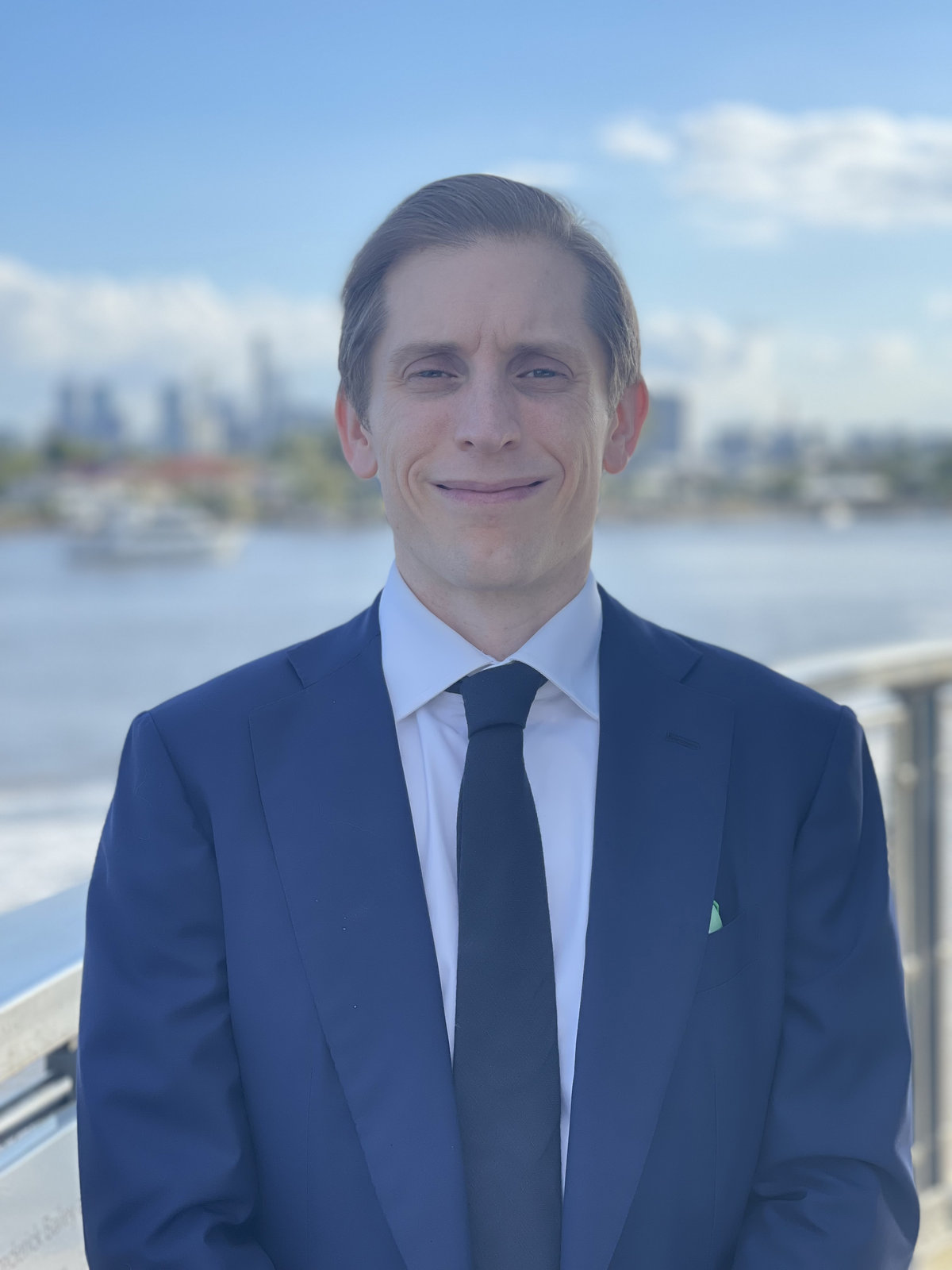
Cameron Sherrin
Cameron has close to twenty years' experience across the service provider and enterprise sectors, advising organisations on cloud modernisation, AI infrastructure, and the enterprise architecture decisions that shape how they operate.
Before co-founding Camaniko, Cameron held principal and senior consulting roles at Versent, Telstra Purple, Arq Group, and Webcentral Group, working with clients across federal government, energy, global logistics, retail, media, and financial services. His work has included architecting secure cloud environments for federal government agencies and leading zero-outage migrations of global VMware estates to AWS. He has also delivered competitive cloud bake-off assessments for enterprise clients and championed landing zone automation that reduced deployment time from days to hours.
At Camaniko, Cameron brings that enterprise experience to the mid-market, advising organisations the big firms don't serve on the technology decisions that will shape the next decade of their operations.
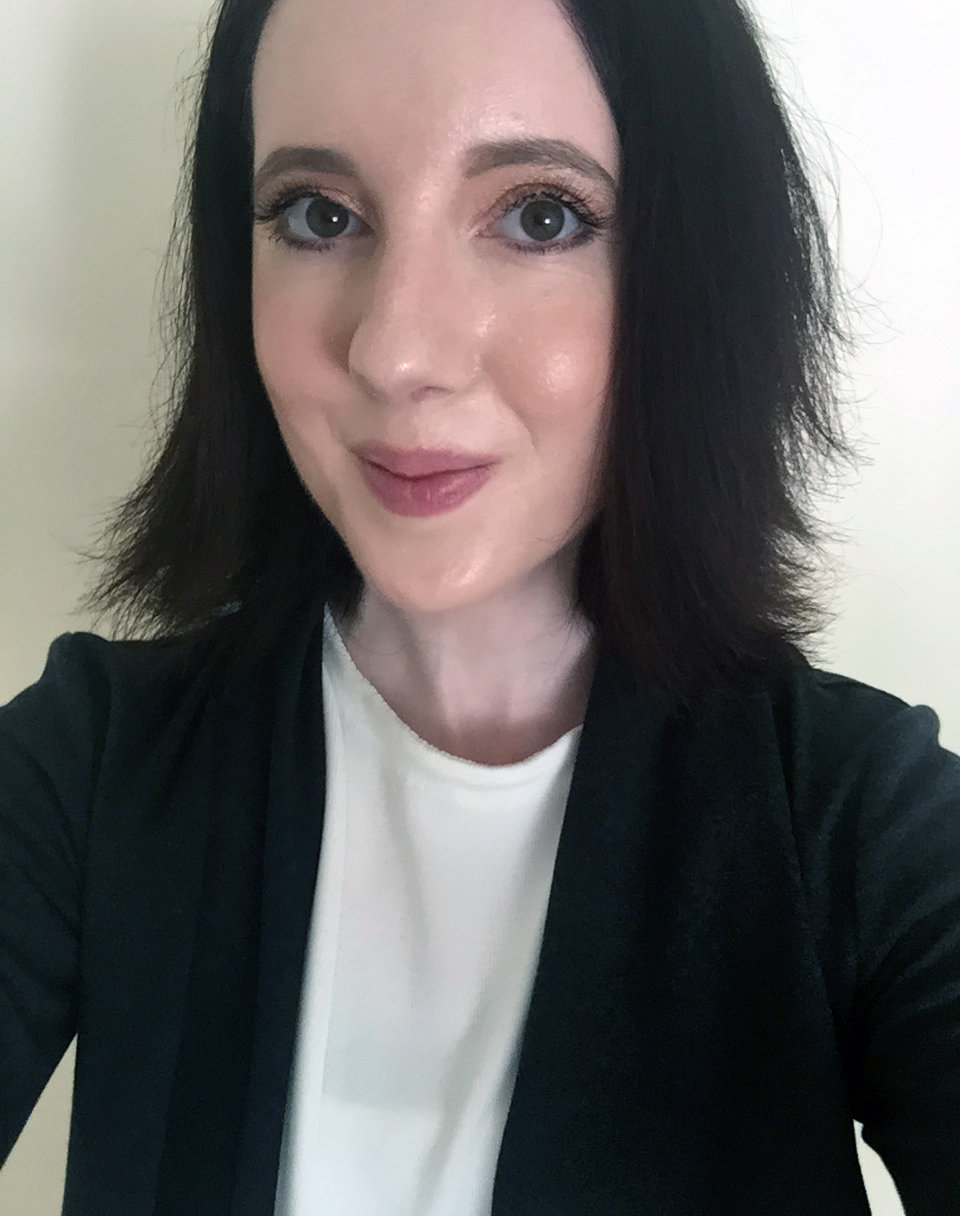
Amanda Bellaby
Amanda has close to twenty years' experience in educational transformation, workforce development, and the application of emerging technologies in learning, advising organisations on how to build capability that outlasts any single platform or program.
Before co-founding Camaniko, Amanda worked at Queensland University of Technology (QUT) as a Learning Designer and Unit Coordinator, and as a Senior Teacher in schools. At QUT, she led institution-wide learning transformation programs and mentored over 100 academic staff. She led curriculum transformation projects embedding First Nations ways of knowing and being, supported the university's transition to a new learning management system (LMS) with training delivered to over 2,000 academic staff at over 90% satisfaction, and co-designed the reimagined Bachelor of Design curriculum, awarded the QS-Wharton Reimagine Education 2021 Global Education Award.
At Camaniko, Amanda advises organisations on building workforce capability and designing the learning experiences that make technology investments actually land.