


work that matters

When your systems create more work than they save, we connect them, automate the manual steps and train your team to use them. When your expertise sits with a few people, we design learning to scale beyond individuals.

Start a conversation How we work
Who we are

Camaniko is a Brisbane-based digital and learning consultancy, led by two directors who have delivered technology and learning programs at enterprise and university scale. Cameron leads the technology and Amanda leads the learning design. Most projects need both disciplines, so we work as one team. And you always work directly with the directors.

We work with organisations in health, professional services and other sectors where skilled people lose hours to administration and specialist knowledge is hard to share.

What we do

Digital systems

For organisations whose systems aren’t working for their team.

We connect the systems you already run and automate the manual steps between them. Where a tool is missing, we build one, from client portals to tracking dashboards. We apply AI where there’s a clear benefit, from rolling out assistants such as Microsoft Copilot and Claude to connecting AI with the systems you already use, and train your team to use these tools well. And because we work on the platforms you already own, you own everything we deliver.

  • The specialist who should be with clients, not entering the same data twice.
  • The manager whose value is in leadership, not in compiling reports by hand.
  • The spreadsheet that has quietly become your most important system.
  • The system you’re paying for that only a few people use effectively.

Learning design

Effective learning is designed, not converted.

For organisations whose expertise needs to reach more people, or whose people need new skills.

Most organisations already hold the expertise their people need. The challenge is turning that knowledge into learning that changes how people work. We begin with the learners, understanding their roles, their context and what stands between new knowledge and everyday practice. We then design with learners and your experts, guided by the learning sciences, deciding deliberately how and where learning should happen and building the platform when online delivery is the best fit. Finally, we measure the change in practice, so the capability lasts beyond the program.

  • The specialist knowledge held by a few people, and lost when they leave.
  • The new process everyone was shown once, and nobody remembers.
  • The course that can’t keep pace with how fast the work is changing.
  • The training measured by completion rates, not by what changed.
How we work
  1. Start with what matters

    We begin with your goals and the people involved.

  2. Scope the work

    A discovery and scoping phase defines the goal, the approach and what delivery will involve.

  3. Show before you commit

    Before you commit, we show you a working version. This might be a prototype in your own systems, or a sample of the learning. If what you see isn’t the right fit, the work doesn’t go ahead.

  4. Build in phases

    Each phase delivers something your team can use straight away. The next phase starts when you’re ready.

  5. Hand over

    Hands-on training, documentation and support, so your team can run what we build without us.

We build within the privacy, compliance and data-security requirements you already work to. By default, your client data remains in your environment.

Our work
  • Digital systems

    A secure client portal and Copilot training for a financial services firm

  • Digital systems

    A secure client portal and Copilot training for a financial services firm

  • Digital systems

    Integrating a practice management system with Microsoft 365 for a psychology and allied health practice

  • Digital systems

    Integrating a practice management system with Microsoft 365 for a psychology and allied health practice

  • Learning design

    Preparing a psychosocial risk training program for mining industry buyers

  • Learning design

    Preparing a psychosocial risk training program for mining industry buyers

Sensitive client documents exchanged by email.

An established chartered accounting and financial services firm wanted all client documents exchanged through a secure portal, with no reliance on email. Clients were returning tax documents as email attachments, and staff had no structured way to track which documents each client had provided.

Discovery showed that the firm’s document management system already included a client portal built on SharePoint, so the portal could be built on infrastructure the firm already owned. We designed secure, link-based sign-in so that each client can access only their own documents, and automated the naming of uploaded files so that every document is filed in line with the firm’s conventions. Before work began, the firm’s compliance team reviewed and accepted our security and data-handling documentation.

When the firm moved all staff to Microsoft Copilot to meet its security requirements, we designed and delivered two training sessions based on the firm’s own work: client onboarding templates, Excel reconciliations and document generation. Staff learned to search the firm’s documents, write and save effective prompts, and review AI output before anything is sent to a client.

A growing practice whose core systems operated separately.

A neuro-affirming psychology and allied health practice, supporting neurodivergent children, teens and adults, was growing quickly. Its practice management system and Microsoft 365 operated separately, so quote approvals, questionnaire notifications and practitioner capacity each required manual handling.

We set out the integration in a technical specification, which the practice reviewed and approved before the build began. We then integrated the practice management system with Microsoft 365. Clients now approve quotes through a secure link, questionnaire notifications are routed to a shared practice inbox, and a summary dashboard shows each practitioner’s monthly capacity.

A program designed for workers, not yet ready for enterprise procurement.

A provider of psychosocial risk training had developed a six-module online induction for fly-in fly-out workers in mining and resources. Before approaching large employers, the provider needed to show how the program supports alignment with ISO 45003, the international standard for psychological health and safety at work, and to confirm that the program could run reliably within enterprise learning platforms.

Through a fixed-fee scoping sprint, we mapped every module against the standard and identified the remaining gap, reviewed the instructional design, assessed the course files for compatibility with enterprise learning platforms, and tested the delivery model against a major mining company’s published supplier security requirements. We also repositioned the program for safety and operational leaders, the people responsible for managing psychosocial risk on site.

Leadership
Cameron Sherrin

Cameron Sherrin

Managing Director

Cameron has twenty years’ experience in cloud architecture, enterprise infrastructure and technology delivery. Through principal and senior consulting roles at Versent, Telstra, Arq Group and Webcentral, he has led digital transformation projects for ASX 200 companies. At Camaniko he leads the technology across both services: integrating and automating the systems organisations already run, building the tools they are missing, applying AI where there is a clear benefit, and developing the platforms that deliver online learning. Every solution is designed around the people who will use the system day to day, and built to remain reliable as the organisation grows.
AWS Certified Solutions Architect – ProfessionalAWS Certified DevOps Engineer – ProfessionalAzure Administrator AssociateVMware Certified Professional
Amanda Bellaby

Amanda Bellaby

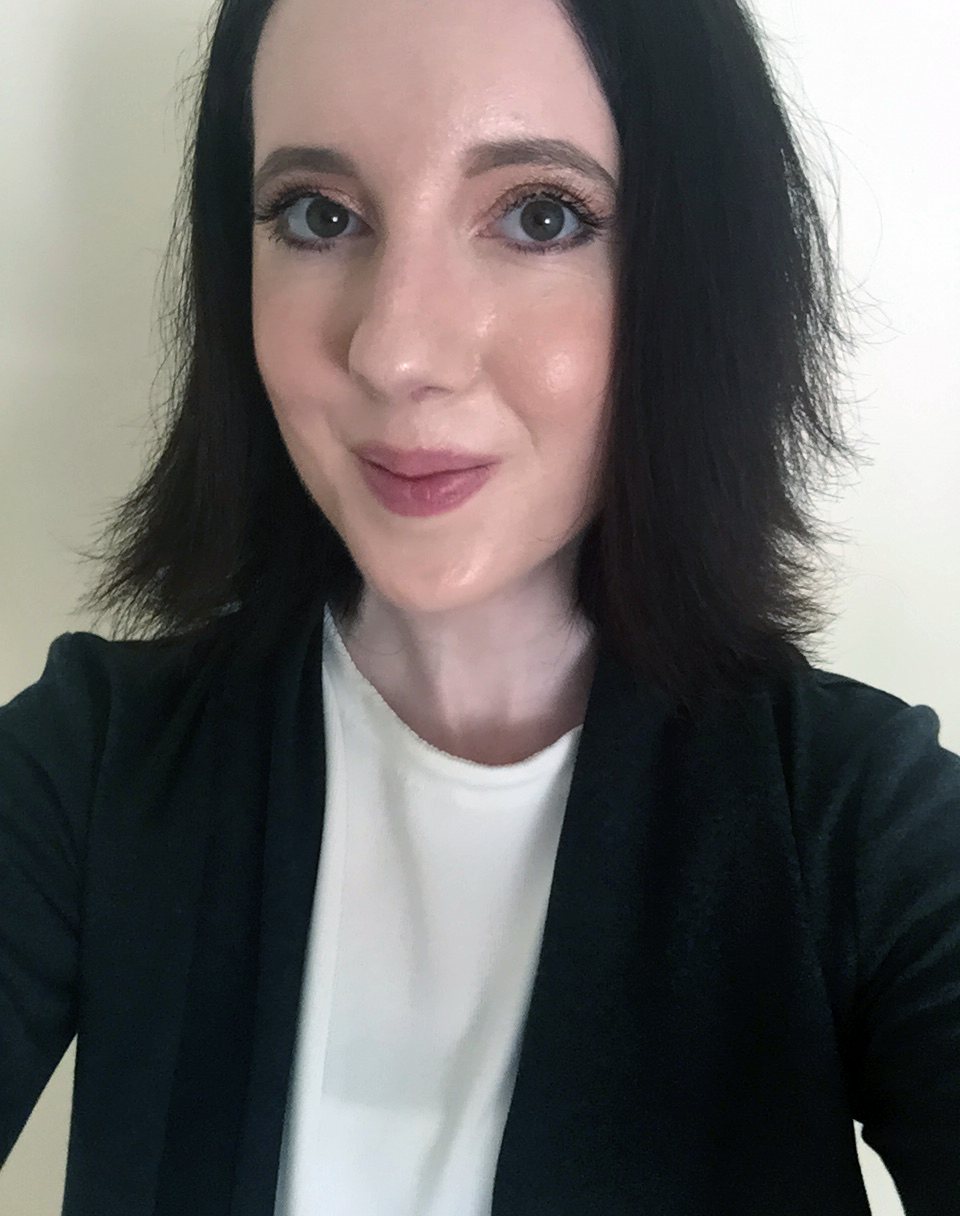
Managing Director

Amanda brings two decades in learning design and educational transformation, including seven years leading institution-wide learning programs at Queensland University of Technology. There she led the migration of more than 50,000 students to a new learning platform and capability development for more than 2,000 academic staff. At Camaniko she leads the learning design across both services: training that helps teams adopt new systems and AI tools, and courses that turn a client’s specialist knowledge into learning that helps others build new skills.

PhD CandidateMSc Learning Sciences and TechnologySenior Fellow, Higher Education AcademyAssociate Fellow (Indigenous Knowledges), Higher Education AcademyICF CoachingQS-Wharton Reimagine Education 2021